
How to Fix Peeling Paint and Prevent Future Damage
Protect Your Connecticut Home from Moisture, Weather, and Long-Term Surface Damage

Peeling paint isn’t just an eyesore—it’s a warning sign. Whether it’s happening on your home’s exterior siding or interior walls, paint that bubbles, flakes, or cracks is often the result of moisture issues, improper preparation, or aging materials. Left untreated, peeling paint can lead to deeper structural damage, mold growth, and costly repairs.
For homeowners across New Haven, Fairfield County, and the Connecticut Shoreline, fluctuating temperatures, humidity, and salt air can accelerate paint failure. Understanding how to fix peeling paint correctly—and how to prevent it from happening again—can save you time, money, and frustration.
At Rest Tech Painting, we specialize in diagnosing paint problems and restoring surfaces with long-lasting, professional results.
What Causes Paint to Peel?
Before repairing peeling paint, it’s important to understand why it happens. Paint rarely fails without reason.
1. Moisture Intrusion
Moisture is the leading cause of peeling paint, especially on exterior surfaces. Rain, humidity, poor ventilation, and leaks allow water to seep beneath the paint layer, breaking the bond between paint and surface.
In shoreline towns like Branford, Madison, and Guilford, salt air and coastal humidity can make moisture-related peeling even more common.
2. Poor Surface Preparation
Painting over dirty, glossy, or damp surfaces prevents proper adhesion. Skipping sanding, priming, or cleaning creates weak layers that eventually lift and crack.
3. Low-Quality Paint
Inferior paints may not expand and contract properly with Connecticut’s seasonal temperature swings. This leads to cracking and flaking over time.
4. Age and Sun Exposure
UV rays break down paint binders, especially on south-facing walls. Over time, even high-quality paint will degrade if not properly maintained.

How to Fix Peeling Paint the Right Way
Repairing peeling paint isn’t about simply covering it up. The damaged areas must be properly addressed before repainting.
Step 1: Identify and Eliminate the Source of Moisture
Before doing anything else, inspect for leaks, clogged gutters, poor caulking, or condensation issues. Fixing peeling paint without solving the root problem will only lead to recurring damage.
Check:
Window and door seals
Roof flashing
Gutter drainage
Bathroom and kitchen ventilation
Step 2: Scrape Away Loose Paint
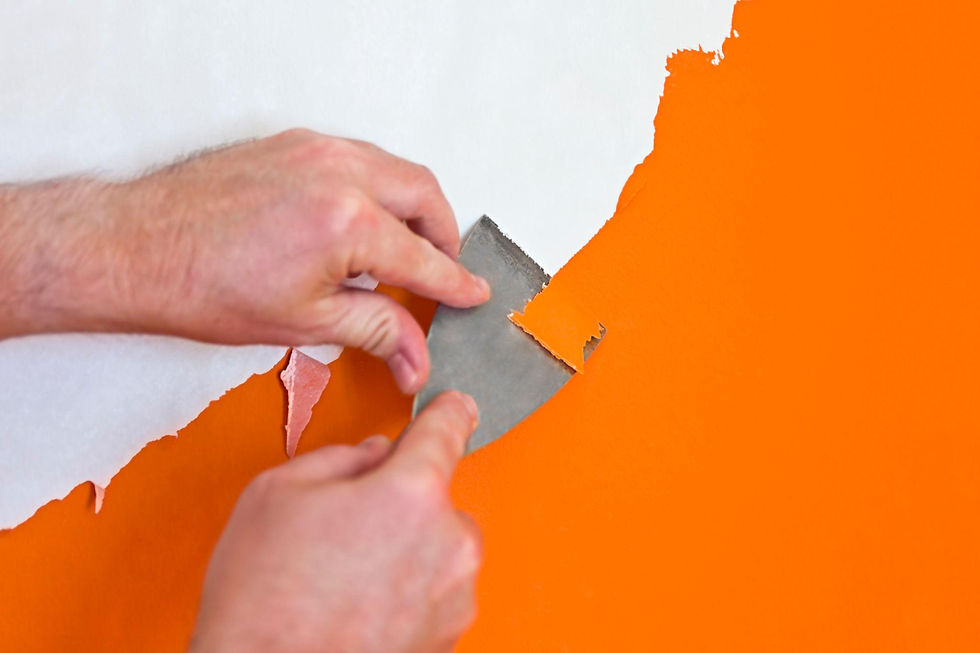
Use a paint scraper or putty knife to remove all flaking and blistered paint. Continue scraping until you reach firmly adhered paint.
For larger areas, a wire brush or power sander may be necessary.
Step 3: Sand the Edges Smooth
After scraping, sand the edges of the remaining paint to feather the surface. This prevents visible ridges after repainting and ensures a seamless finish.
Wipe the area clean of dust before moving forward.
Step 4: Prime the Surface
Primer is critical when repairing peeling paint. It seals the surface, improves adhesion, and blocks stains.
Use stain-blocking primer if water damage is present.
Choose exterior-grade primer for outdoor repairs.
Skipping primer is one of the biggest DIY mistakes homeowners make.
Step 5: Apply High-Quality Paint
Once the primer has dried, apply two thin coats of premium paint. Choose products designed to withstand Connecticut’s climate, particularly for exterior siding and trim.
Work in consistent strokes and maintain a wet edge to prevent lap marks.
Common DIY Mistakes That Lead to Repeat Peeling
Even well-intentioned homeowners can unintentionally create future problems.
Painting Over Damp Surfaces
Paint should never be applied to wet or humid surfaces. Exterior painting in Connecticut should be scheduled during dry weather conditions with moderate temperatures.
Ignoring Ventilation Problems
Interior peeling often stems from poor airflow in bathrooms, kitchens, or basements. Installing proper ventilation reduces moisture buildup and prolongs paint life.
Skipping Caulking and Sealing
Cracks around windows and trim allow water infiltration. Proper caulking prevents recurring paint failure.
Using the Wrong Paint Finish
Exterior surfaces require durable, weather-resistant finishes. Interior high-moisture areas benefit from satin or semi-gloss finishes that resist humidity better than flat paint.
How to Prevent Peeling Paint in the Future
Prevention is always more cost-effective than repair. Here’s how Connecticut homeowners can protect their investment:
✔ Address Moisture Quickly
Fix roof leaks, foundation cracks, and clogged gutters immediately.
.
✔ Schedule Routine Maintenance
Inspect your home’s exterior annually for cracking, bubbling, or faded paint.
✔ Use Premium Materials
High-quality paints and primers offer superior adhesion and flexibility.
✔ Hire Professionals for Proper Prep
Surface preparation is the most important step in preventing paint failure.
Interior vs. Exterior Peeling Paint: Key Differences
Interior Peeling Paint
Typically caused by:
High humidity
Poor surface cleaning
Inadequate primer
Condensation buildup
Common in bathrooms, kitchens, and laundry rooms.
Exterior Peeling Paint
Usually caused by:
Rain and snow exposure
UV damage
Temperature fluctuations
Improper sealing
Shoreline homes in Connecticut face unique environmental stressors, making professional-grade products essential.
When It’s Time to Call Professional Painters
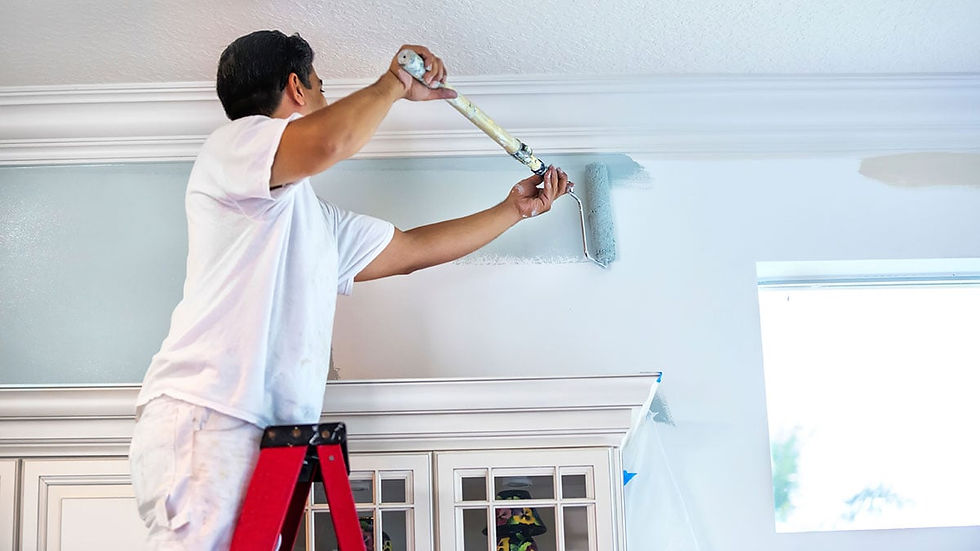
While small patches of peeling paint can be repaired by experienced DIYers, widespread damage requires professional assessment.
Hiring experienced painters ensures:
Proper moisture diagnosis
Thorough surface scraping and sanding
High-quality priming and sealing
Even, long-lasting application
Safe ladder and exterior equipment use
At Rest Tech Painting, we serve homeowners throughout New Haven, Fairfield, and the entire Connecticut Shoreline with meticulous preparation and durable finishes that stand the test of time.
We don’t just repaint—we solve the problem at its source!

Protect Your Home with Expert Interior & Exterior Painting
Peeling paint is more than cosmetic. It’s often the first visible sign of deeper issues. Addressing it early protects your home’s structure, enhances curb appeal, and prevents expensive repairs down the line.
If your home is showing signs of cracking, flaking, or bubbling paint, the team at Rest Tech Painting is ready to help.
Contact us today for a professional consultation and restore your Connecticut home with confidence.


